
Story
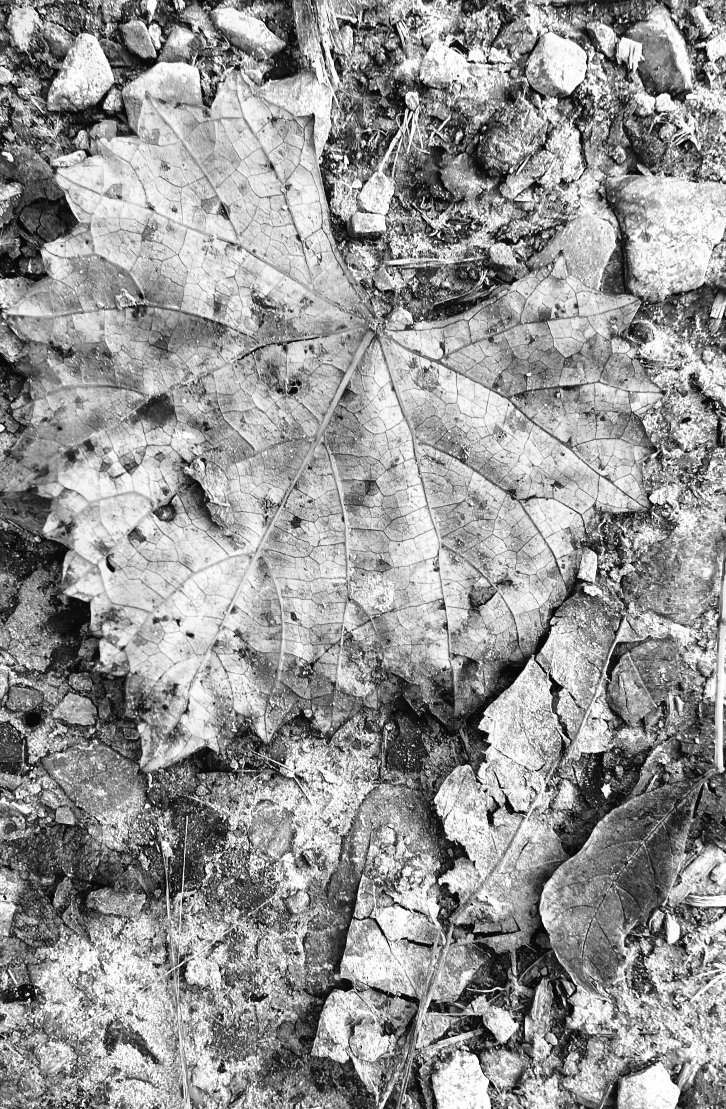
Felder's Autumn Leaves
Autumn leaf drop is upon us, bringing the dilemma of whether to toss the debris or put it to work. I was raised before leaf blowers and curbside leaf removal. We kids spent part of every fall weekend corralling and...
Autumn leaf drop is upon us, bringing the dilemma of whether to toss the debris or put it to work.
I was raised before leaf blowers and curbside leaf removal. We kids spent part of every fall weekend corralling and piling leaves under shrubs or onto the garden; only fallen limbs made it to the once-ubiquitous burn pile. And now I spend part of every year in my other home in England, where there is not a system in place for having garden debris hauled away. So, I am very familiar with the idea of taking personal responsibility for everything that falls on my property.
As a result, I am of two minds about my urban Mississippi neighbors who routinely bag and toss leaves. I understand the need for neatness, but not why folks don't simply reuse the organic garden gold.
To start with, try just spreading them en masse under trees or in low, wide rows connecting tree trunks and shrub beds, which actually serves as safe winter haven for many hibernating beneficial insects. Or use them to change the shape and size of the lawn as a distinct brown and green yin/yan contrast, especially where grass thins out naturally.
Even those that are simply mowed into the lawn will greatly improve the soil, making for deeper grass roots and a better lawn. This works for as long as the mowed leaves nearly disappear into the grass, but after they get too thick it's time to rake or blow.
I accept that relatively few gardeners have a formal composting area for piling leaves to break down into nutrient-rich compost to add to flower beds, shrubs, and vegetable gardens. But there is no need to maintain the right carbon: nitrogen ratio and turning, aerating, and all that - composting isn't a race! The low-input method of just neatly piling them somewhere and digging out finished compost later works just fine.
That's my preferred system, a long, low windrow against the back fence, where I sort leaves, pulled weeds, spent flowers, and kitchen scraps on one end, harvest finished compost from the other, alternating back and forth all year. It works, with no extra effort or steps. I use a section of half-inch hardware cloth over a barrel to sift the useable stuff and toss the rest back on the other end.
I also bury the winter-bare sections of my little raised bed veggie garden with leaves and push the rest up under shrubs and around trees to replenish the soil naturally over the winter. And earthworms eat leaves and burrow the digested nutrients down deep around roots; they really beef up in the rich diet, often getting ten or twelve inches long!
I use so many leaves I actually catch myself trucking around the neighborhood in search of ready-bagged gleanings. I check to ensure the bags are mostly from oaks and other hardwoods, no pines because pine needles don't decompose readily, and bags without a lot of sticks. Ideally, they come off lawns, because they will have been mowed into smaller bits and are usually mixed with nitrogen-rich grass clippings; I also check the adjacent lawn for small, non-threatening weeds, which tell me the clippings won't be tainted with herbicides.
There are you have it. Instead of raking, bagging, and throwing them away, it's a good thing to mow leaves into the lawn, use as mulch, and connect trees and shrubs into larger beds creating smaller lawns. Plenty of good reasons to keep them on-site.
Whether you're feeling creative or just practical, recycling leaves makes sense. Don't, er, blow the opportunities.