
Story
FELDER'S DIVIDE & GROW
Sounds mathematically impossible, but gardeners routinely divide to multiply. Using a few simple plant propagation tricks, we can increase what we start with and spread it to all corners of our gardens and beyond....
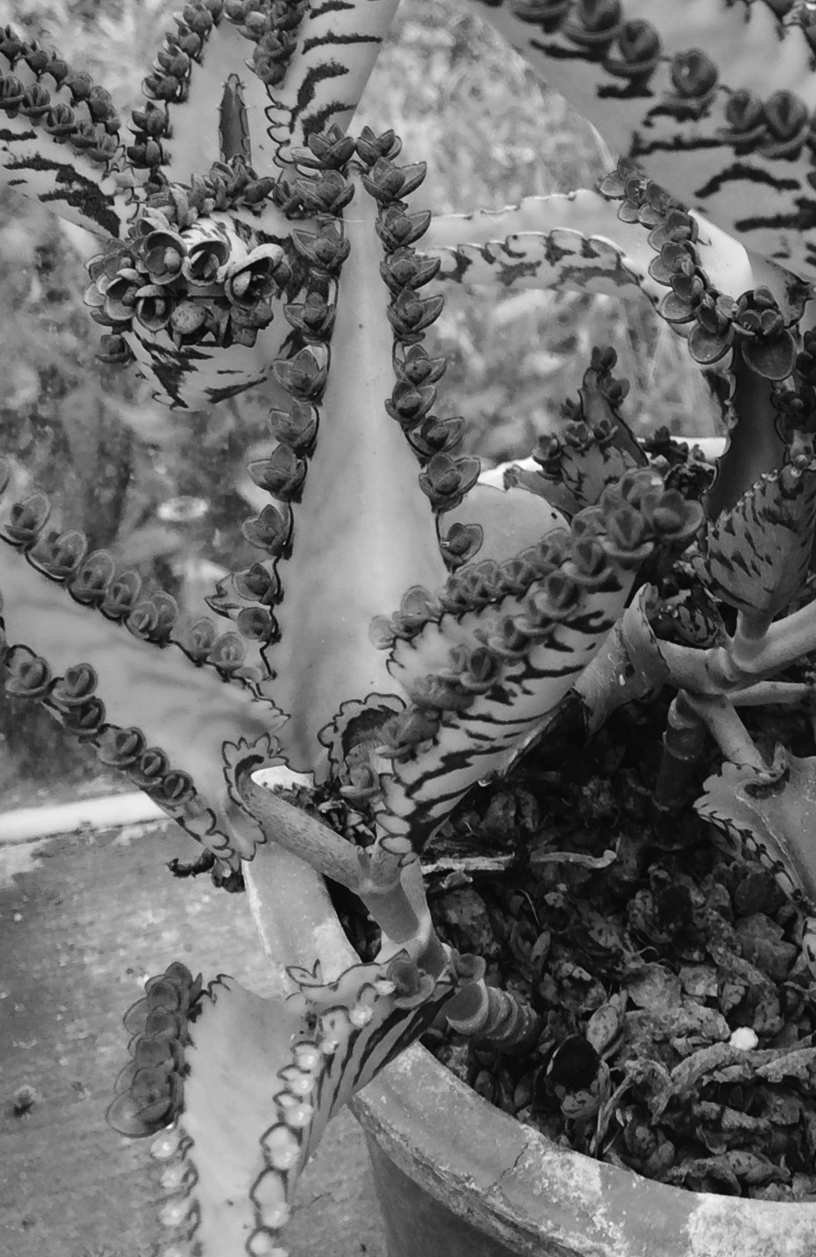
Sounds mathematically impossible, but gardeners routinely divide to multiply. Using a few simple plant propagation tricks, we can increase what we start with and spread it to all corners of our gardens and beyond. Nothing new, this is how folks have shared the largesse for thousands of years, saving seed, dividing multiple-plant clumps, rooting stem and leaf cuttings, and a few other approaches to growing more than what we start with. In fact, it is often the only way to get some heirloom plants which for one reason or another are not well-suited for commercial trade. They may be too slow to grow to a salable size in fast-turnover greenhouses, are not easy to transport, or simply get overlooked by customers because they aren't trendy or just don't look promising in nursery pots on a garden center bench. No matter. In spite of not being readily available for sale, countless passalong plants are grown literally all over the world. Orange daylilies, touch-me-not impatiens, prickly pear cactus, and crinum lilies: When they flower you can see the social connections between diverse gardeners who may have just a love of those plant swap-worthy treasures in common. Some are so easy to propagate, they do it themselves by sowing seed freely, or root everywhere their stems touch dirt, or send runners in every direction; many end up all over, becoming what some folks call weedy. But old-hand gardeners who still love and share them usually offer a polite but tacit warning: "Be careful with this one, it'll get away from you." I keep paper envelopes on hand to label and store dried seed like zinnias, prince's feather celosia, jewels of Opar, castor bean, larkspur and the like, and store them in a cool dry place (no need to refrigerate); it's a bit trickier to remove and dry seed from plants with fleshy fruits like heirloom tomatoes so I dab them onto paper towels to tear apart when time to plant. Big caveat with saving seed: Many plants are cross-pollinated, so the seed you save may produce unpredictable hybrids; if you want them to come true to parent type, tie a little mesh bag over a few flowers to prevent bees from spreading the genes around. And of course, many perennial plants like canna, daylily, daffodil, iris, and ornamental grasses that grow as bunches of individual plants connected in clumps can simply be dug up and separated into smaller clumps or individual plants. Unsure of yourself? Practice on monkey grass, you'll quickly get the hang of it. Rooting stem cuttings in moist potting soil, water, or even between flowers in good garden soil is pretty straightforward; I generally stick with taking short cuttings a few inches long at most and stripping off all but two or three leaves near the top. Though some folks have rooting success nearly any time of year, in general I root short pencil-size cuttings of deciduous plants like crape myrtles and roses in winter, and evergreens like gardenias and hollies in late spring or early summer, and set cuttings in bright indirect light and cover with a "humidity chamber"- plastic sheeting or clear cola bottles with the caps discarded to vent heat. I have "air layered" stems of tropical plants and figs, and grown African violets and begonias from leaf cuttings; those aren't hard but a bit specific, lots of easy online tips. And some of my succulents grow little plantlets on tips of leaves. Main thing is to not be daunted. Growing your own can become, to paraphrase Dire Straits, "roses for nothing and zinnias for free."