
Story
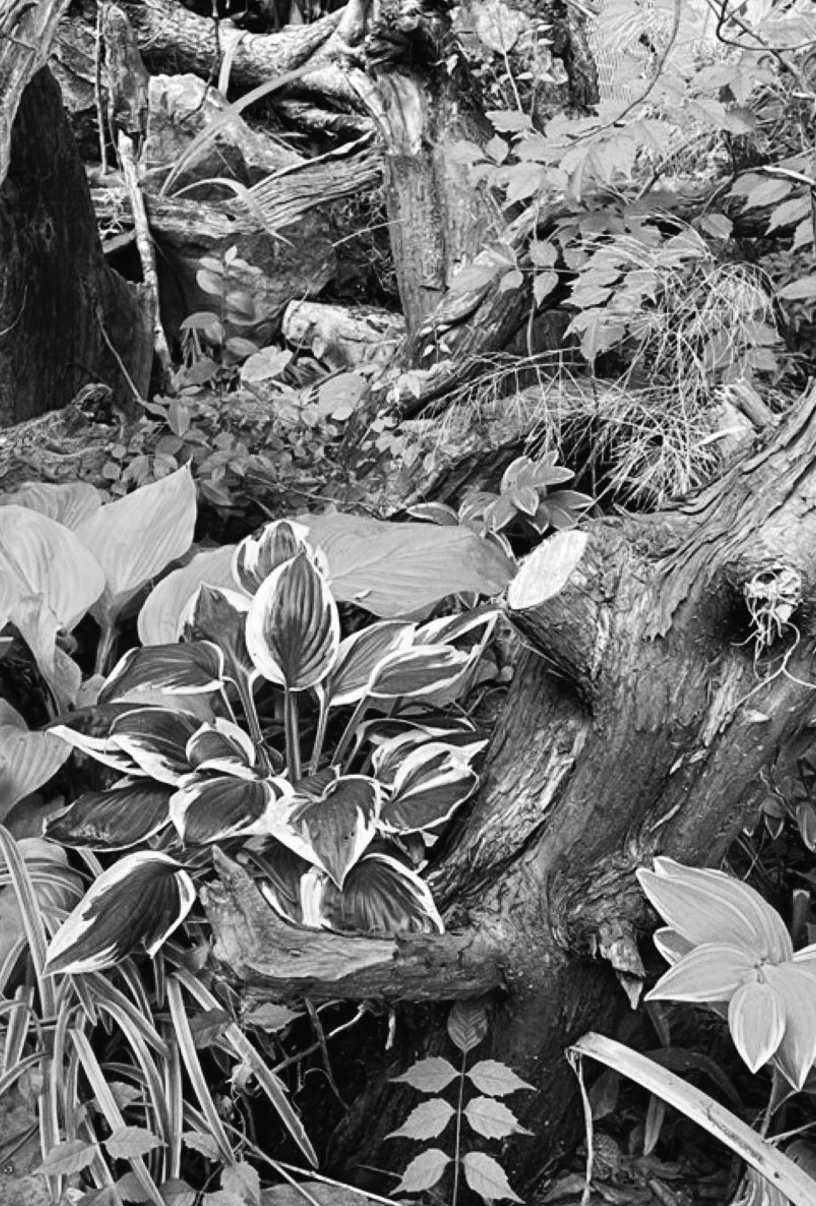
Felder's Garden Debris
Just in time to save us from unnecessary chores, it is getting trendy to live with dead stuff in the garden. Leaving stumps in place, creating leaf piles, and letting flower beds have a little winter stubble are all...
Just in time to save us from unnecessary chores, it is getting trendy to live with dead stuff in the garden. Leaving stumps in place, creating leaf piles, and letting flower beds have a little winter stubble are all good for wildlife. And can be done neatly.
I was raised in the days before plastic bags and city vacuum trucks would haul curbside piles of stuff off for free. Anything that fell had to be dutifully raked or dragged to the burn pile, stumps were set ablaze to smolder down to nothing, faded flower stems were quickly cut or pulled, and beds were cleaned out.
We mowed most fallen foliage to decompose quickly into the lawn, but recalcitrant leaves (an actual term for those covered with waxy coatings like magnolia, pine, and holly) take way too long to break down and had to go.
Gotta keep things neat, right? To have unkempt lawns with clover and winter wildflowers and leaves on the ground under trees were seen as signs you were either lazy, had no sense of orderliness, or didn't care what neighbors think.
Made sense for a while. But it turns out, this largely contributes to why we have fewer lightning bugs, native pollinator bees, butterflies, caterpillars, tiger beetles, and others which require winter debris, fallen leaves, and short flower stalks to survive until spring.
And on top of that, dead tree trunks, called "snags" by foresters and wildlife ecologists, are crucial seasonal and all-year nests for birds including five species that nest in hollowed-out cavities, bats, insects, and other wildlife. Ditto for logs piled into long, narrow "dead hedges" and stumperies where they look purposeful (mine is a fern shade garden focal point).
Trouble is, most of us are culturally attuned to keeping things neat and orderly to do much about all this. Can't just leave stuff alone.
Or can we? In many places, including esteemed English gardens, a garden without a leaf pile and "stumpery" where logs and big branches are piled is considered too fussy. This is partly because their society isn't set up to haul stuff off except after big storms that create environmental emergencies. Because nobody is there to haul bags of leaves and bundles of sticks from the curb, they just assume their own responsibility to deal with garden debris; these things are actually planned in as normal parts of the landscape.
In fact, city managers deliberately ignore out-of-the-way tree trunks, and artfully place fallen limbs and cut logs as stumperies in urban parks, flower beds, along paths, and snaking through groups of trees. They often tie limbs into informal teepees as garden ornaments.
All this not only saves effort, expense, and dwindling landfill space but is a way to communicate their intentional use of garden detritus as part of urban landscape design and management. And as a result, there is more beneficial wildlife. Hugelkultured flower bed soils are richer; less lawn needs mowing. People are more relaxed in how they approach their own gardens.
Mind you, they keep a lot of areas neat. Their lawns are more throw-rugs than wall-to-wall carpets; there is usually a two-tiered approach of having some areas edged and manicured, watered, fertilized, and kept weed-free like golf course putting greens, surrounded with less-intense "roughs" of slightly higher grass, clover, and other wildflowers.
These are ways to retain a sense of pride and accomplishment while carving out neat natural areas. This fall give it a whirl, incorporate some urban ecology. If needed, add a wildlife habitat sign as a virtual clue to neighbors that you are doing what is right.