
Story
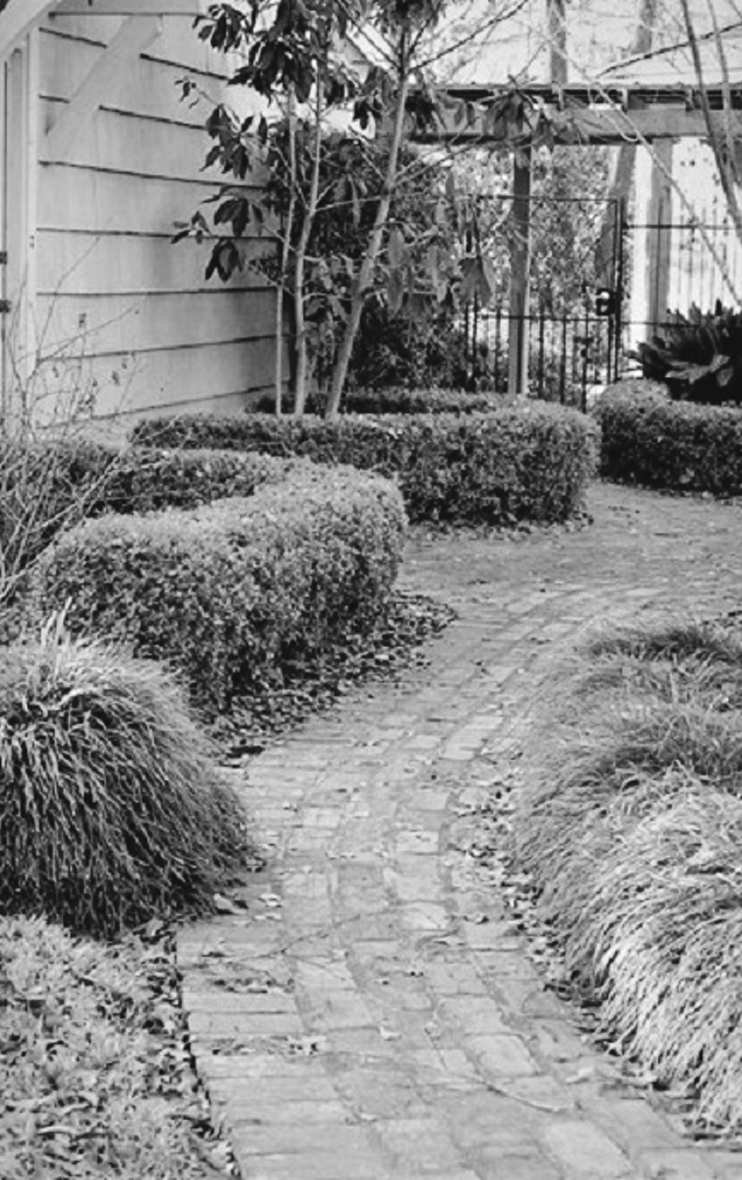
Felder's Garden Footpaths
Got all-weather walks and well-lit, non-slip footing where you need them? A lot is written about what makes a garden look good and work well, mostly dealing with plant selection and placement and how they work through...
Got all-weather walks and well-lit, non-slip footing where you need them?
A lot is written about what makes a garden look good and work well, mostly dealing with plant selection and placement and how they work through all seasons. But perhaps equally important is the choice of hard features such as decks or patios, outbuildings, arbors, fences, gates and the like, even art, all which for the most part are permanent and unchanging.
The ones we most take for granted are the transitions - walks, paths, steps, and gates - that lead us from one spot to another either physically or visually. They are often the last things most of us consider, yet the ones we use the most.
Where we put our feet when moving around the garden is mostly to do with comfort and safety - keeping feet and footwear dry and safe in icy weather (I've slid down porch steps myself). But it even makes a difference in garden looks. A characterful landscape, beyond ever-changing plants and the shapes of structures, seating areas and the like, is also subconsciously defined by its lines, the edges between things. Walkways create visual connections and can add shape and texture, even color.
Beyond my own meandering walks, paths, and scattered series of steps up the hillside and leading to raised decks and patios, I can't tell you how often I visit gardens but have to watch where I put my feet on potentially slippery, steep, or muddy terrain. The gardeners have good foot-memory that comes from experience, but they often aren't fully aware of what a pain it can be, on top of being dangerous in low light or icy weather, for visitors to get from one unfamiliar spot to another.
Doesn't matter so much what materials you choose or whether you prefer straight lines or curvy, walks and paths lead your eye around. For that matter, ever notice how the postman makes a shortcut across the lawn? Creative public park designers deliberately leave off connecting walks in their plans, to see where people subconsciously create practical "desire paths" before laying concrete. Why force people to follow neat but impractical lines, when it makes so much more sense to put the lines where people naturally go?
Anyway, there are some easy pathway solutions beyond poured concrete or brick laid over a sandy base. I break mine up with sections of home-made pavers and flagstone, which are costly to install but permanent and so easy to keep clean. Even short sections of stepping stones scattered and set flush with the lawn create a connect-the-dots effect to connect areas of the garden or help folks get up sloped grassy areas.
For pour-able stuff I personally avoid popular but impractical pea gravel because it is noisy, moves around a lot underfoot, mashes into the soil, quickly gets weedy, and isn't easy to keep free of fallen leaves. Instead, I prefer chipped slate, either bagged or bulk, which lies flat for a firm footing that is nearly weed-free and can be quickly cleared with the rake or leaf blower. I usually spread it atop a layer of landscape fabric.
But I also like just plain shredded bark, which is easy to refresh when needed and is nice and soft and very natural. It is easiest to use when confined between bricks, stones, edging strips, tree limbs, or even whimsically upended wine bottles.
Main thing is to have a safe, sure place for feet in the garden, without which a garden can't be enjoyed as well, all year, and all weather. Making it pretty is lagniappe.